Shared operating context
Connect vehicles, drivers, journeys and tasks for review.

Connect vehicles, drivers, tasks and field data through one coordinated operating workflow.
Smart Logistic connects vehicle data with operational work: receive requests, assign vehicles and drivers, follow journeys, review completion and prepare the next operating cycle. GPS and video provide context for managing work beyond location tracking.
The solution supports transport, deliveries, construction fleets, manufacturing, passenger services and field maintenance. Construction scope can organize vehicles by project, area, material delivery window and receiving team, with Smart Construction integration for site context.
Existing capabilities provide GPS, event video, driver records and configured operating modules. Constrained routing, digital delivery records, forms and enterprise connections are assessed, tested and delivered within an agreed scope.

Connect requests, assignments, execution, confirmation and maintenance around your operating process.
Organize vehicles, drivers, teams, vehicle types and readiness. Assign access and operating rights by branch, project and role.
Connect GPS, journey history, stops and configured geofences. Update frequency and completeness depend on devices, mobile coverage and connectivity.
Design request-to-assignment flows with vehicles, drivers, destinations and target times. Acceptance, start, completion and exception states follow agreed operating processes.
Assess capacity, vehicle types, time windows, stops and service times for route planning. Optimization algorithms, map and traffic data require separate confirmation rather than an assumed instant optimal route.
Attach images, notes, timestamps or recipient acknowledgements to tasks. Forms, signatures and offline synchronization are designed within application scope.
DriveCam can provide clips linked to location and sensor data for review. Behavior detection and in-cab alerts depend on hardware, configuration and pilot results.
Manage maintenance plans, defects, inspection photos and repair requests. Odometer or fault data is captured automatically only with compatible hardware and protocols.
Connect fuel, invoice and vehicle/trip cost sources. Distinguish sensor measurements, reported values and estimates, using validated inputs for reporting.
Link vehicles to projects, shifts, gates and receiving schedules. Compare trips with supplied delivery records; vehicle images do not independently confirm quantities or acceptance.
Review tasks, journeys and verified events with retention, access and sharing controls. Connect transport, warehouse and enterprise systems through authorized APIs.
Select a workflow to explore data and ownership. This is a proposed design illustration rather than a live operating interface.
Match vehicles and drivers with work while keeping assignment and exception history.
Receive the request, destination and service window.
Check vehicle, driver and assignment conditions.
Follow acceptance, journey and exceptions.
Review evidence and confirm completion.
Proposed output: an owned task record with status and supporting evidence.
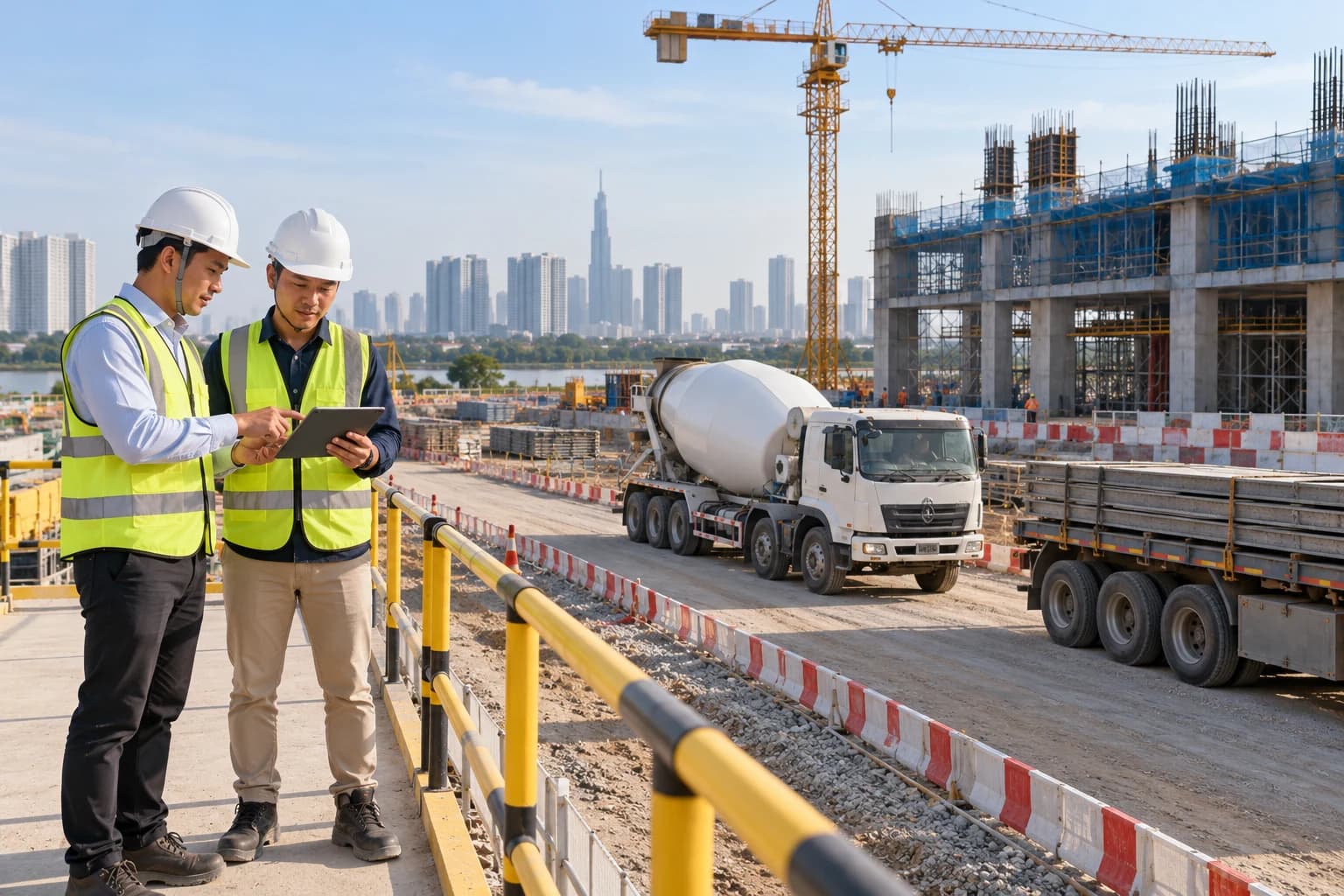
Link fleets with projects, areas and receiving schedules. Material trucks, mixers and specialist vehicles need assignments suited to cargo, access and receiving teams, so dispatchers can review trips within their work context.
When needed, connect Smart Construction for gate imagery, areas and project context, and Smart Safety for scoped safety events. Authorized people review trips, delivery tickets and quantities rather than deriving them automatically from location or imagery.
Use vehicle data in dispatch, maintenance and reviews rather than simply compiling journey history.
Connect vehicles, drivers, journeys and tasks for review.
Track assignment ownership, status and trip exceptions.
Use imagery, video, location and feedback rather than a single signal.
Include vehicle condition and maintenance in assignment decisions.
Link fuel and cost sources to vehicles or tasks.
Start with one fleet and priority workflow before adding integrations.
Material trucks, mixers, specialist vehicles and project fleets coordinated with site gates and receiving schedules.
Discuss requirements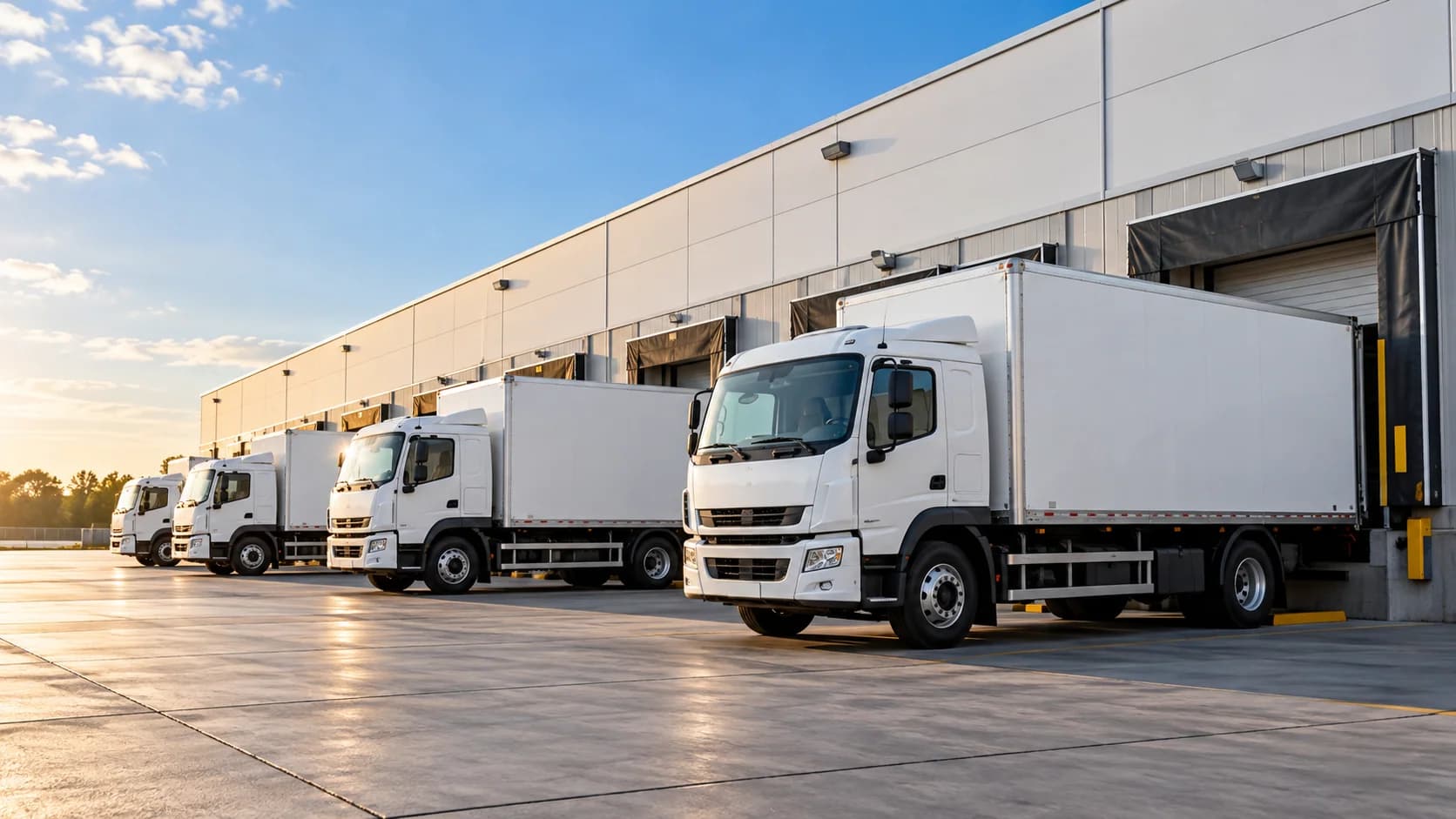
Long-haul trips, stops, driver assignments and events requiring a response.
Discuss requirementsMulti-stop tasks, delivery evidence, status updates and order-system integration.
Discuss requirements
Inter-site transfers, operational vehicles and vehicle maintenance schedules.
Discuss requirements
Service routes, stops, dispatch coordination and safety-event review.
Discuss requirements
Assign people and vehicles to maintenance, installation or service-location work.
Discuss requirementsDevices provide the data layer. Available features depend on confirmed hardware, protocols and delivery scope.
An on-vehicle camera device combining positioning, sensors and configured on-device AI. Select road/cabin viewpoints, storage and data connectivity.
For trucks, buses or construction vehicles needing front, cabin, side and rear views. Validate power, channels and compatibility before deployment.
Connect GPS and supported vehicle data. Fuel, fault codes, door states and additional sensors are assessed for each vehicle type.
These groups guide scope selection rather than promise every feature in every deployment. Costs depend on vehicles, devices, retention, forms, maps and integrations, assessed before quotation.
Locations, journeys, driver records and reports within confirmed configurations.
Request a proposalEvent video, suitable AI modules, in-cab alerts and review workflows.
Request a proposalTask assignments, forms, fuel and maintenance within selected scope.
Request a proposalMulti-unit operation, business-system integrations, private infrastructure and agreed support.
Request a proposalReview vehicles, devices, data and operating priorities.
Select vehicles, tasks and owners with clear evaluation criteria.
Test data, forms, permissions and exception handling.
Agree documentation, operations and support before scaling.
Share your vehicle types, tasks and current systems to define a suitable scope.
Loading form…
No. The solution covers vehicles, drivers, tasks, event video, maintenance and reports. Modules and workflows are confirmed against configuration and project scope.
Material trucks, mixers and specialist vehicles can be assessed. Clarify device protocols, site gates, service windows and project data connections.
Not by default. Reuse depends on protocols, access rights or APIs from the current platform. Test data before choosing hardware.
Not by default. Routing needs destinations, capacity, time, map data and constraints. Algorithms, connections and evaluation criteria are assessed separately.
Forms and fields follow the business workflow. Agree acknowledgment roles, timestamps, locations and retention before integration.
It depends on the source: sensors, vehicle data, invoices or reported values. Reports need clear input types and validation; direct fuel readings are not assumed for every vehicle.
Not by default. AI and alerts support drivers rather than replace their responsibility. Actuation requires a separate architecture and engineering assessment.
Connections can be designed around project, area or event data through authorized APIs. Synchronization, ownership and each system’s scope must be confirmed.
Estimates depend on vehicle counts, hardware, cameras, data, modules, forms and integrations. Discovery defines a pilot and quotation rather than deriving Fleet costs from other product prices.
Prepare vehicle inventories, existing devices, sample data, routes/tasks, operators and priority workflows. Agree data completeness, scenarios and acceptance criteria first.
At AQPTech, we connect people, technology and real-world challenges. Learn together, grow your skills and build solutions that create value for businesses.

Find your next step with AQPTech
Explore career opportunitiesPowering Decisions